How Hajjat Namyalo’s Grassroots Strategy Boosted President Museveni’s Support Across Key Regions
President Yoweri Kaguta Museveni secures another national electoral victory, political attention is increasingly turning to the behind the scenes mobilisers whose grassroots engagement helped shape voter sentiment across the country.
Among those widely credited by ruling party supporters is Hajjat Hadijah Namyalo, the Manager of the Office of the National Chairman (ONC), whose empowerment initiatives gained strong visibility in multiple regions.
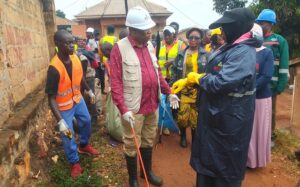
Over the past months, Namyalo has led an aggressive community outreach strategy centered on economic empowerment, youth engagement, and women inclusion.
Her programs have involved the distribution of vocational tools, startup capital for small businesses, agricultural inputs, and direct engagement with informal sector groups particularly boda boda riders, market vendors, youth groups, and single mothers.
Her mobilisation efforts were notably active in Central Uganda (Buganda), Busoga, Greater Luweero, Eastern Uganda, and parts of Northern Uganda areas traditionally considered politically competitive.
Through community dialogues and empowerment tours, ONC teams worked to re-energize grassroots support for the ruling National Resistance Movement (NRM).
Residents in several districts have publicly expressed appreciation for the practical impact of the programs, noting that the interventions addressed real livelihood challenges rather than offering only political rhetoric.
“This was not just politics, it was real support. People felt seen and helped,” said one ONC youth leader from Ssembabule.
Political analysts observe that empowerment based mobilisation can significantly influence voter behaviour, particularly in communities where economic hardship remains a dominant concern.
By aligning development support with political messaging, the ONC strategy helped rebuild trust between ordinary citizens and the ruling party structures.
In many areas where Namyalo’s activities were concentrated, the NRM registered strong voter turnout and improved margins compared to previous electoral cycles, according to party organisers.
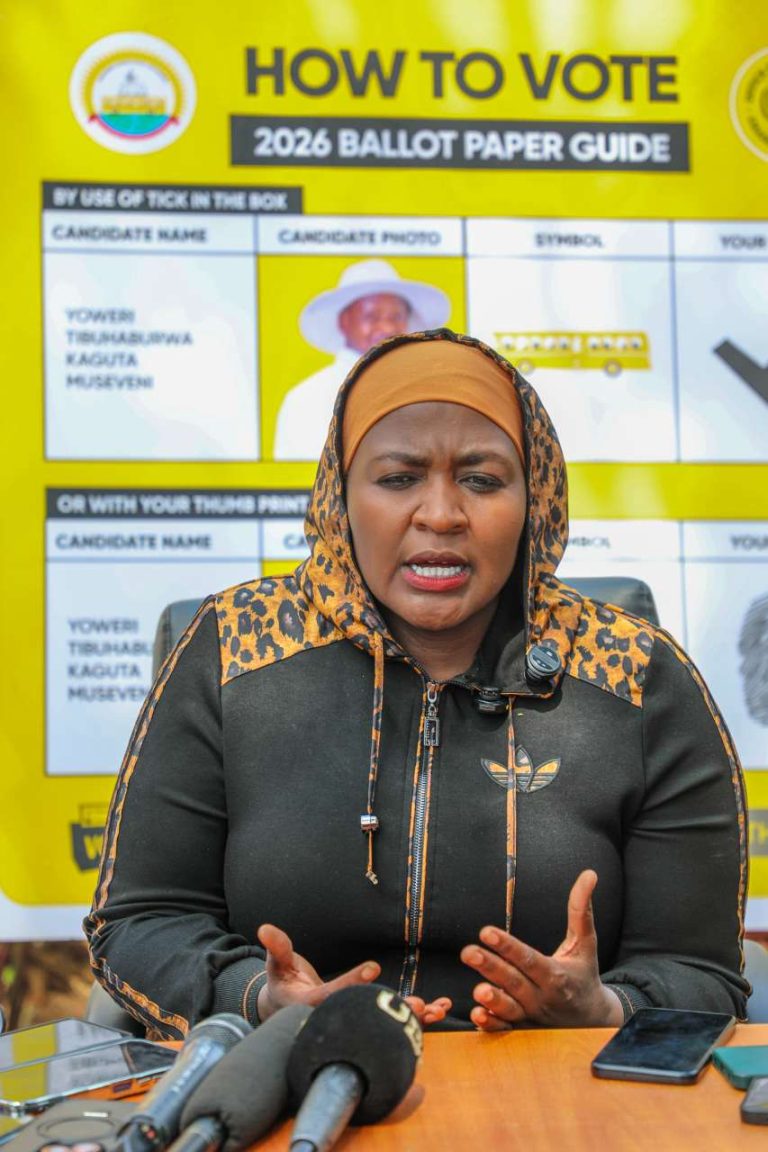
Speaking to the media recently following the Electoral Commission’s official declaration of President Museveni as the winner of the presidential election, Namyalo applauded Ugandans for voting for the NRM and for exercising their civic duty peacefully.
She called upon the public to uphold unity and calm, urging especially those who did not prevail in the contest to place national interest above partisan differences.
She emphasized that peace and stability remain critical for Uganda’s continued development, noting that elections should strengthen not divide the country.
Namyalo’s growing profile within NRM structures has attracted increasing national attention. Once known primarily as a mobiliser, she is now widely viewed as a strategic political actor with deep grassroots networks an asset many within the party believe is helping to reshape its engagement with ordinary citizens.
Senior party figures have commended her approach for reconnecting the party with communities and restoring enthusiasm among youth demographics, which have historically been more skeptical of establishment politics.
Beyond individual personalities, the election outcome highlights a broader political reality, community level engagement and tangible empowerment can carry significant electoral weight.
As Uganda’s political landscape continues to evolve, strategies grounded in real impact on citizens’ lives are likely to play an even greater role in shaping future contests.
About The Author