Uneb Pays Examiners A Paltry Shs720 Per Script
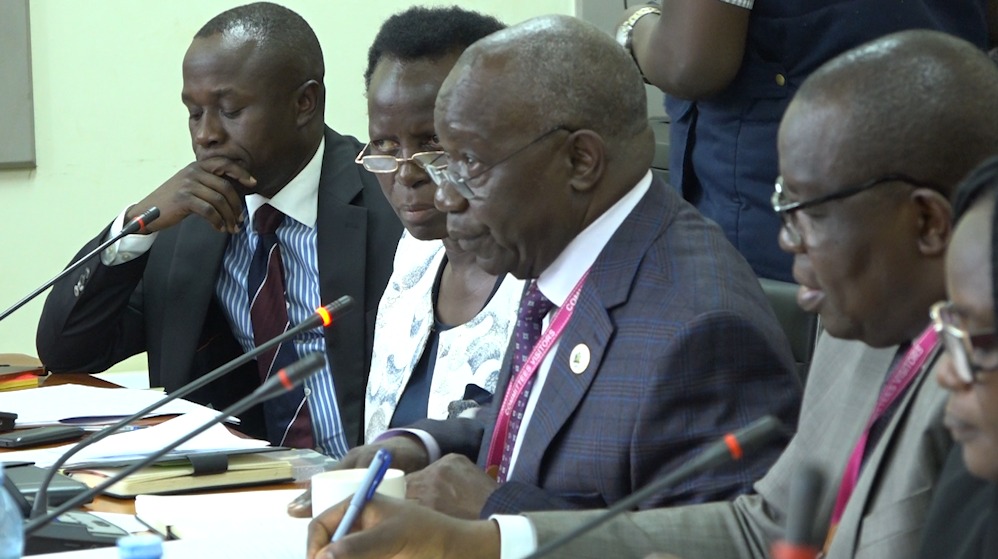
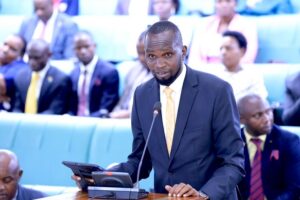
The Executive Director of the Uganda National Examinations Board (Uneb), Dan Nokrach Odongo, has warned Parliament that unsustainably low payments to examiners risk undermining the credibility of Uganda’s national examinations system.
Appearing before the Parliamentary Committee on Education and Sports in Kampala on February 18, 2026, Odongo highlighted the financial strain faced by thousands of teachers responsible for marking national exams.

He illustrated the inadequacy of current pay with a simple comparison, noting that Shs720—the amount paid to mark a single Primary Leaving Examination (PLE) script under the old curriculum—cannot even buy a small packet of boiled groundnuts, which cost around Shs1,000.
Odongo provided detailed figures as part of discussions on the 2026/27 budget framework. Examiners marking the PLE currently earn Shs720 per script under the old curriculum and Shs756 under the new competency-based curriculum.

With a snack of rolex in downtown Kampala going for Shs2,500 and a glass of juice for Shs3,000, the per-script remuneration examiners receive would not afford a decent meal.
If an examiner marks 100 scripts, their total earnings would be around Shs75,600, an amount that sits far below even modest monthly earnings in the wider workforce.

In a context where basic wage rates are so low and unstable, this creates a powerful incentive for examiners to rush through marking to boost their income, particularly when marking complex, competency-based assessments that demand careful thought.
That rush undermines the time and attention needed for high-quality grading and speaks to a broader structural issue: when pay fails to approximate something resembling a living wage, professionals are caught between making ends meet and doing the careful, nuanced work that credible exam assessment requires
This dynamic not only pressures individual examiners economically but also puts at risk the overall integrity of the national examination system at a time when accurate, fair assessment is critical for students’ futures.
Uneb proposes raising this to Shs1,000 per script, though a funding gap of Shs244 per script would remain. Yet even this is still a far cry.
At the Uganda Certificate of Education (UCE) level, examiners are paid Shs1,260 per script, with Uneb proposing Shs1,500; examiners themselves are seeking Shs2,000.
For the Uganda Advanced Certificate of Education (UACE), the current rate is Shs1,488 per script, with Uneb recommending Shs2,000, leaving a gap of Shs512.

“These rates were last reviewed significantly nearly a decade ago,” Odongo said, noting that inflation, rising living costs, and a major shift in assessment methods have made the pay insufficient.
“The competency-based curriculum requires examiners to assess critical thinking, problem-solving, and application of knowledge, rather than simple recall, which increases both time and expertise needed per script.”
Odongo explained that scripts now pass through multiple examiners in a structured system designed to ensure accuracy and reduce bias, with workloads allocated digitally to prevent over-marking or rushed grading.
Despite these safeguards, he warned that low pay could discourage experienced teachers from participating in the marking process.
The concerns over examiner remuneration come amid a broader funding shortfall at Uneb. The board requires Shs111.24 billion to fully execute its mandate for the financial year but currently has access to only Shs48.82 billion, leaving a gap of Shs62.02 billion.
Uneb is also seeking an increase in invigilation allowances, proposing Shs60,000 per person for the examination period, up from Shs45,000, leaving a shortfall of Shs15,000 per individual.
Lawmakers expressed alarm at the revelations. Emmanuel Ongiertho warned that underfunding such a critical sector could create opportunities for examination malpractice, while Janet Grace Okori-Moe described the requested Shs62 billion as modest given the importance of maintaining credible assessment systems.
Philip Ilukol commended Uneb for safeguarding academic standards and urged support for the proposed funding increases.
The committee, chaired by James Kubeketerya, emphasized the need for detailed justification of the additional funding, noting that the Budget Committee had already requested explanations.
Deputy Chairperson Molly Asiimwe also sought clarification on examiner workloads, prompting Odongo to elaborate on the systems in place to ensure fairness and efficiency.
National examinations remain a crucial determinant of educational and career pathways in Uganda.
Hundreds of thousands of pupils sit the PLE annually to transition to secondary education, while UCE and UACE results shape access to higher education and employment opportunities.
About The Author