SafeBoda Seeks dialogue with KCCA Over Boda Boda Restrictions in Kampala
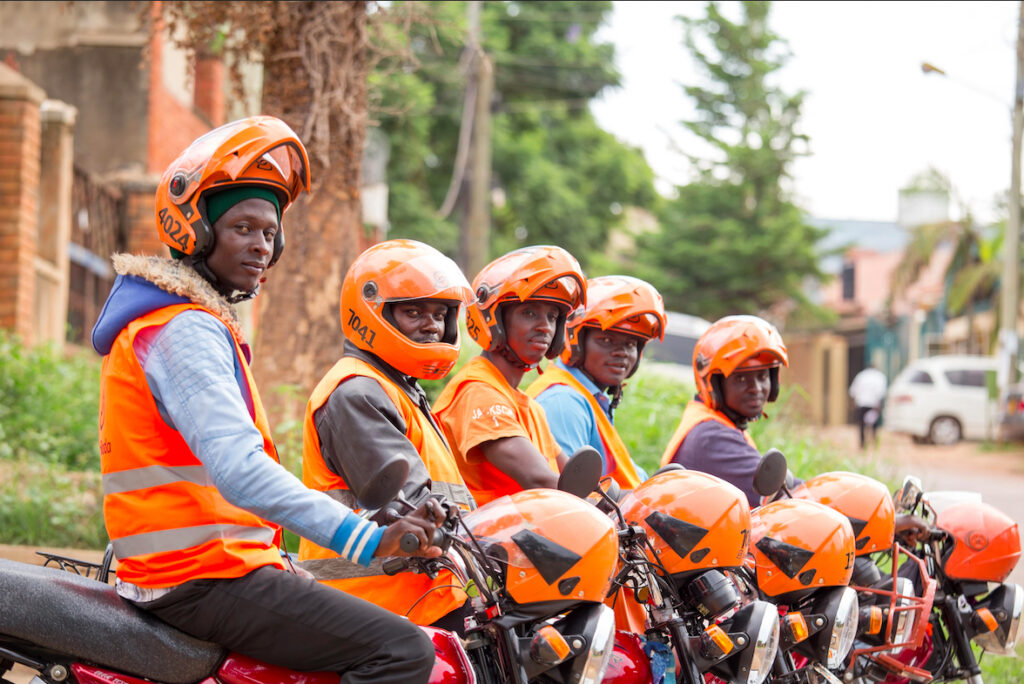
SafeBoda Seeks Talks with KCCA Over Boda Boda Restrictions in Kampala
Ride-hailing company SafeBoda has called for urgent dialogue with city authorities after Kampala Capital City Authority enforced restrictions on boda boda operations in parts of the city centre, warning the directive could disrupt urban mobility and thousands of livelihoods if implemented without consultation.
Ride-hailing platform SafeBoda has called for urgent engagement with Kampala Capital City Authority (KCCA) following a directive restricting boda boda operations within parts of Kampala’s central business district.
The company warned that the move could disrupt livelihoods and urban mobility if authorities do not clarify how the new system will operate

Last month, KCCA launched a crackdown on illegal boda boda stages and vendors in Kampala as part of efforts to streamline city operations. The enforcement targeted operators working from unauthorized locations, including areas near schools and banks.
In a statement released on Friday, SafeBoda acknowledged KCCA’s recent efforts to restore order in the capital but said the directive has left many riders and digital transport platforms uncertain about the future of their operations.
“For more than 10 years, SafeBoda has been at the forefront of professionalizing Uganda’s boda boda transport industry. Today, thousands of boda riders depend on the platform to earn a living for themselves and their families,” the company said.
The company noted that while it supports initiatives aimed at bringing order to Kampala, the sweeping restrictions on boda bodas accessing the city centre have raised several unanswered questions among riders and digital transport operators.
“In recent years, including the past few weeks, KCCA has shown great efforts in bringing order and sanity to Kampala, and we are supportive of these noble efforts. However, the recent blanket directive restricting boda-bodas from accessing the city has raised many concerns for SafeBoda and the driver community in general,” the statement said.

SafeBoda said many operational issues remain unresolved despite earlier assurances that authorities would engage stakeholders before implementing the new measures.
“Many questions have been left unanswered despite the commitment to engage stakeholders that was announced at the launch of the exercise,” the company added.
Among the concerns raised is how riders operating from the city’s outskirts will serve customers travelling into restricted areas.

“How is a driver from Najjera or Kira expected to drop off a customer who is travelling to City Square or Nakasero? Are they meant to drop them off at Wandegeya, and the traveller finds other means? Do they need to return to their stage and incur the cost of fuel or battery?” the company asked.
SafeBoda also questioned how commuters will connect with riders under the new system if operators are required to work only from designated stages.

“How is someone expected to find a driver? Are they expected to walk one or two kilometres to the gazetted stages and negotiate with a driver there?” the statement added.
The company further raised concerns about the ownership and management of the newly gazetted boda boda stages.
“Who owns the newly gazetted stages? How are the owners selected? How do these owners select the drivers? How much are they expected to pay, and to which authority are they expected to pay this money?” SafeBoda asked.
Another key issue raised was the future of digital ride-hailing platforms if they are unable to access designated stages.
“How are digital transporters like SafeBoda, Faras, Union, and any new entrants expected to conduct business if they cannot gain access to stages?” the company said.
Despite the concerns, SafeBoda stressed that its intention is not to oppose the authority’s mandate to organize transport within the city.
“Our goal is not to undermine the role of KCCA in organizing city transport but rather to assess the impact of the blanket
About The Author