Activists Call for Stronger HIV/Aids Response
As the world observes International HIV/Aids Awareness Day on 1st December, activists in Uganda are urging the government to intensify efforts to close information gaps and improve access to essential HIV services, particularly in rural communities.
During awareness activities, campaigners warned that limited access to accurate information in remote areas continues to fuel new infections, threatening the country’s goal of ending HIV transmission by 2030.
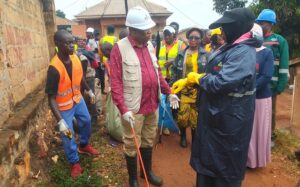
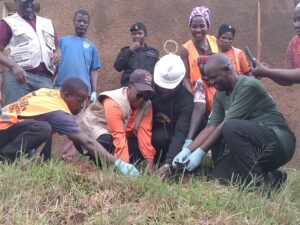
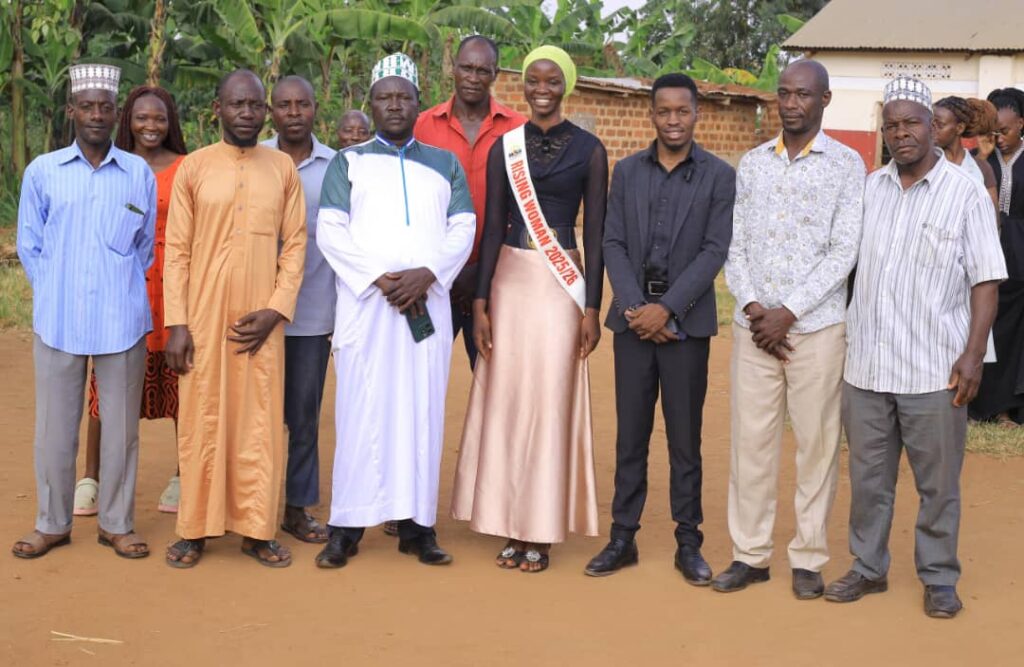
In Kayunga District, the Mivule Foundation marked the day with a community outreach in Nnongo Village, Kangulumira Town Council.
Activists went door-to-door and held open discussions to sensitize residents on HIV prevention, the importance of regular testing, and the need to support individuals living with the virus.
Alvin Mivule, executive director of the Mivule Foundation, said many rural communities rely heavily on government programmes for information and medication due to a lack of alternative sources.
He called on the government to further decentralize HIV services.
“Many people living in remote areas cannot afford the long distances to health centres where medication is available. Bringing services closer will encourage adherence and reduce new infections,” Mivule said.
Religious leaders also weighed in. Sheikh Jamadah Kabenge, head of the Muslim community in Kangulumira–Nazigo, urged clerics from all faiths to encourage premarital HIV testing among couples.
He further highlighted rising cases of men abandoning family responsibilities, a trend that contributes to the spread of HIV within marriages.
Meanwhile, the Archbishop of the Church of Uganda, the Most Rev. Stephen Kaziimba Mugalu, reiterated calls for a consistent drug supply in health facilities.
Speaking to Mothers’ Union women in Buganda Diocese, Archbishop Kaziimba emphasized that stockouts of antiretroviral drugs threaten progress in the fight against HIV/Aids.
During the diocesan event, women received various items to support small businesses—a gesture aimed at strengthening community resilience and assisting families affected by HIV.
As the global community reflects on the ongoing battle against HIV/Aids, Ugandan activists insist that the country must rethink its outreach and service delivery strategies—especially in underserved rural areas—if it is to achieve the 2030 target of zero new infections.
About The Author