Nearly 1,000 Ugandan Teenage Girls Conceive Daily.
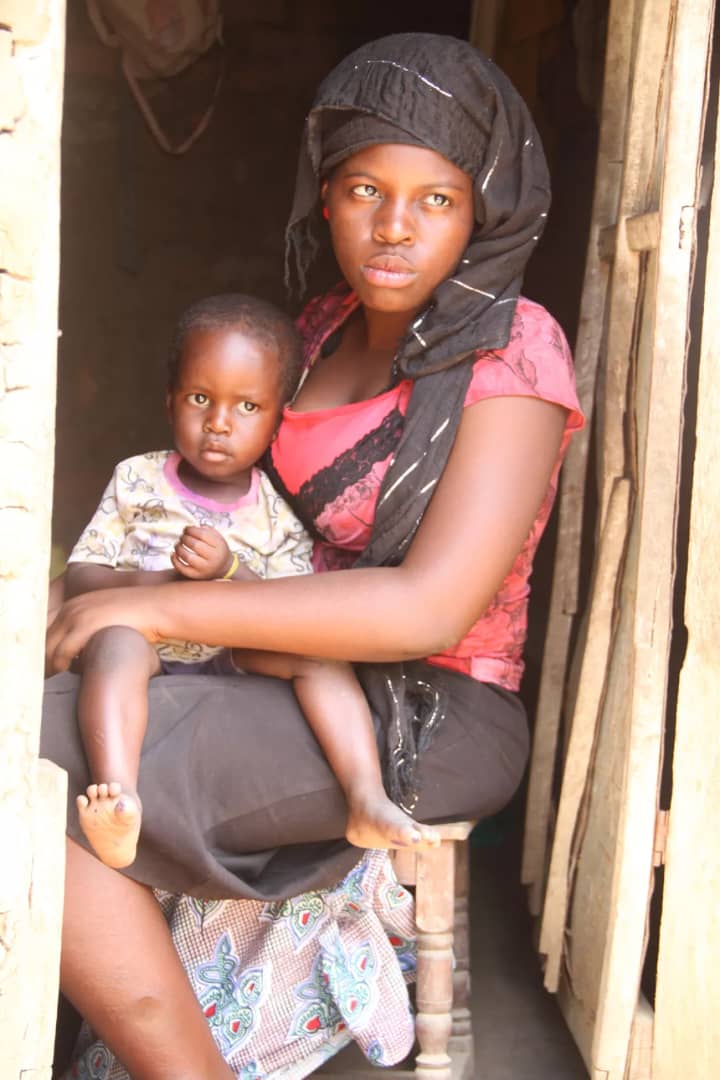
Stakeholders under the National Partnership of 146 civil society organizations have launched the National Girls Summit 2025, calling for an end to teenage pregnancy.
According to the United Nations Population Fund, nearly 1,000 teenage girls in Uganda conceive every day.
Over the past five years, teenage pregnancies have contributed to nearly 2 million births—an average of about 30,000 per month.
In a summit, held under the theme, “The Cost of Inaction to Address the Root Causes of Child Marriage and Teenage Pregnancy in Uganda,” emphasized the government’s commitment to reversing the negative trend of child marriages and teenage pregnancies, which hinder inclusive growth and socio-economic transformation.
Phoebe Kasoga, country director at a not-for-profit organization, called for collective efforts among men, civil society, religious leaders, and government to tackle early teenage pregnancies.
“Uganda Demographic and Health Survey 2022 notes that 34% of girls marry before the age of 18, and 7% before 15. Early marriage deprives girls of economic opportunities, confines them to household chores, and perpetuates a cycle of poverty,” Kasoga said.
She highlighted the long-term impact on teenage mothers, explaining that they are three times less likely to hold professional jobs and twice as likely to be self-employed in agriculture, with over 47% working as subsistence farmers.”
“The National Planning Authority shows that Uganda spends about Shs1.6 trillion annually addressing harmful cultural practices, including child marriage, with Shs246.9 billion spent in 2020 alone on health care for teenage mothers,” Kasoga added.
Stakeholders noted that teenage pregnancies and child marriage account for nearly 60% of all female school dropouts in the country.
They stressed that tackling these issues requires sustained investment in education, adolescent and school health, social protection, and community engagement to challenge harmful norms and practices.
The summit concluded with a call for coordinated action to ensure that Uganda’s girls are protected, educated, and empowered to contribute meaningfully to the nation’s socio-economic development.
About The Author