Uganda’s poverty rate surges to 27%, with Karamoja and West Nile most affected, UBOS reports
The Uganda Bureau of Statistics (UBOS) on Thursday released new data indicating that despite government efforts through various projects aimed at improving livelihoods, poverty remains alarmingly high across the country.
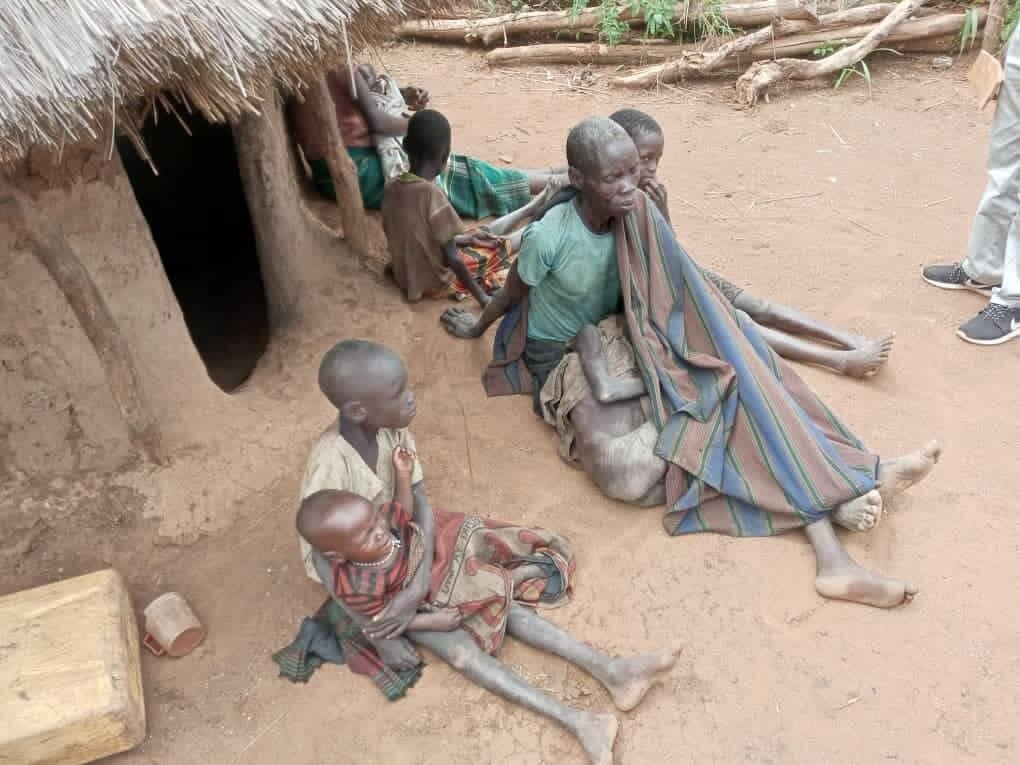
The report reveals that approximately 27 out of every 100 Ugandans live in poverty, with limited access to essential services such as healthcare, education, employment, food, and technology, especially in rural areas. This translates to over 12 million Ugandans, including around 4.6 million children, living in poverty.

Poverty is most severe among women and in urban slums, with the highest rates observed in the Karamoja and West Nile regions. Notably, the district of Kaabong in West Nile has the highest poverty levels in the country, even surpassing the rates in Kampala, the capital city.

The report highlights regional disparities, with Buganda region registering an 18% poverty rate, particularly in districts like Buvuma, where poverty reaches 43%, and Wakiso at 9%. In Busoga, poverty affects about 26%, with Namayingo district’s rate reaching 37%, while Jinja City experiences a lower rate of 14%.
In Bukedi, poverty stands at 31%, with Butaleja at 34% and Busia at 25%. Bugisu’s rate is 30%, with Bulambuli at 34%, and Mbale City at 19%. Sebei region shows a 34% poverty level, with Kween at 36% and Kapchorwa at 31%.

The Karamoja region exhibits the highest poverty levels, with an alarming 57%. Districts such as Kaabong (64%), Amudat (62%), Kotido (61%), and Abim (38%) are the most affected.
Lango region has a poverty rate of 26%, with Otuke at 32%, and Lira City at 16%. Acholi region’s poverty rate is 32%, with Amuru at 41%, Gulu City at 16%, and Madi region at 29%, with Obongi at 33% and Adjumani at 30%.
In Bunyoro, the poverty rate is 30%, especially high in Bulisa, while Toro sub-region reports 31%, with districts like Kyegegwa, Kyenjojo, and Kamwenge being most affected. The Rwenzori region has a poverty rate of 32%, with Ntoroko at 37% and Kasese at 31%.
Ankole region’s poverty rate stands at 26%, with Buhwezu at 33%, Isingiro at 32%, and Mbarara City at 13%. West Nile’s poverty rate is 39%, with Zombo (44%), Yumbe (44%), and Pakwach (43%) being the most affected, while Arua City has 27%.
Kigezi region reports a 29% poverty rate, with Rubanda (35%), Kisoro (34%), and Rukungiri (24%). Kampala’s rate remains the lowest at 8%.
When presenting the report at UBOS headquarters, Yeremiah Honda, a senior statistician, noted that the Teso sub-region has a poverty rate of 24%, with Kapelebyong at 31% and Soroti City at 14%.
Uganda’s Minister of Finance, Amos Lugoloobi, emphasized that the government is committed to addressing poverty and has introduced specific strategies to reduce poverty levels, especially in Karamoja.
About The Author