How free power is boosting Ugandan small businesses
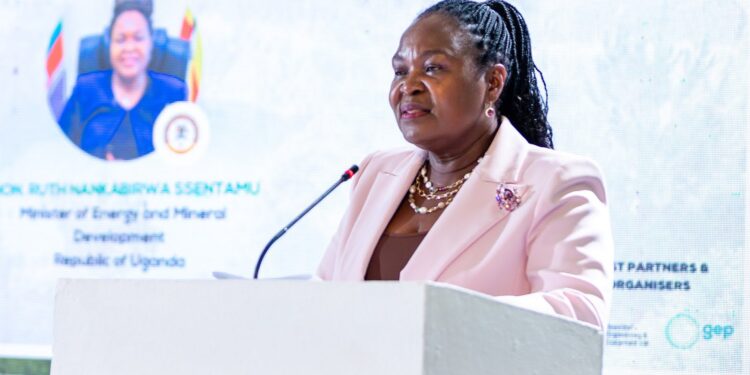
A $638 million World Bank-funded initiative is transforming the economic and social landscape of Uganda, aiming to provide more than 1 million free electricity connections by 2027.

The Electricity Access Scale-up Project, known as EASP, was launched by the Ministry of Energy and Mineral Development in early 2024. The program seeks to bridge a significant energy gap; while 71 percent of urban households have power, only 19 percent of rural homes are connected.

Uganda’s installed generation capacity is expected to reach 2,098 megawatts by June 2025, but peak demand currently sits at about 800 megawatts. Officials say the EASP will help utilize this surplus by adding 500 megawatts of new demand to the grid, supporting the nation’s goals for industrialization and employment.

In districts such as Wakiso, Mukono, Mpigi and Jinja, the transition from shared meters and candles to independent connections is already yielding results for small businesses.
Alex Tukamuhebwa, a salon owner in Kajjansi Town Council, said his daily earnings doubled after moving from a limited solar system to the national grid. He now serves 15 customers a day and has diversified into phone charging and hot water services.

In Jinja City, welder Taddewo Kirasi said improved power reliability allowed him to expand his 26-year-old enterprise and hire 40 young people. Nearby, restaurant owner Juliet Naigaga said her new connection allowed her to operate a refrigerator and extend her closing time from 7:30 p.m. to 9 p.m.
The project has also reduced operating costs for many. Shopkeeper Ivan Turyatemba in Wakiso District said his monthly power expenses dropped from 40,000 shillings on a shared meter to 15,000 shillings as a sole user. Carpenter Obbo Bernard in Jinja reported his monthly energy costs fell by about 100,000 shillings after ending a costly arrangement with a neighbor.
Residential beneficiaries also reported improved security and educational opportunities. Annet Nakityo, who owns rental units in Rubaga North, said the installation of security lights has made her property safer and more attractive to tenants. In Masajja, Florence Namaganda said the connection has allowed her siblings to study at night.
For many, the project has ended a reliance on expensive alternatives. Local leader Twaha Gyagyule said he previously spent 90,000 shillings a month on paraffin and mobile phone charging. Since paying the inspection fee of about 41,300 shillings to join the project, he said his family now enjoys television and refrigeration at a lower cost.
The EASP remains a flagship initiative under Uganda’s Energy Policy and Transition Plan, moving the country toward universal electricity access while driving private-sector growth.
About The Author