Uganda Says Fuel Imports Secure Despite Gulf Refinery Strikes
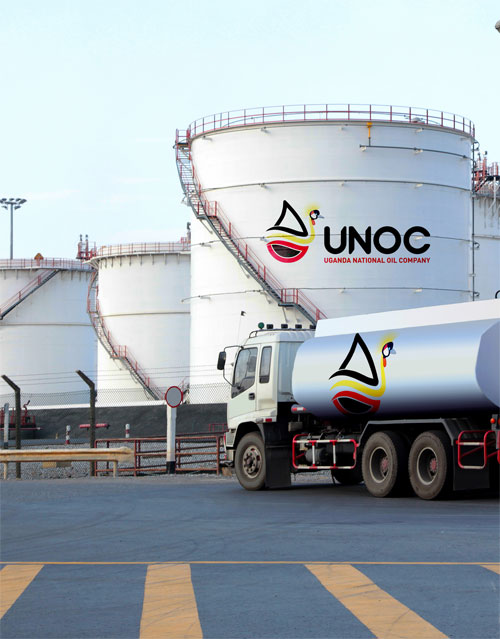
The attacks in the Gulf have revived memories of previous disruptions that triggered price spikes across East Africa.
Uganda’s government moved to calm markets on Monday, saying the country’s fuel supply remains stable despite escalating attacks on energy infrastructure in the Middle East, including reported strikes affecting facilities linked to Saudi Aramco in Saudi Arabia, logistics assets near Jebel Ali Port and shipping concerns around Qatar.
The reassuran ce follows renewed volatility in global oil markets after security incidents raised fears of disruptions along the Strait of Hormuz, a strategic chokepoint between Iran and Oman through which roughly a fifth of the world’s oil trade passes.
In a joint statement issued Monday, Uganda’s Ministry of Energy and Mineral Development and the Uganda National Oil Company (UNOC) said the country’s petroleum imports remain on schedule and that contingency measures are in place to prevent shortages
Uganda will continue to have a reliable supply of petroleum products,” the statement said.
“Scheduled fuel cargo deliveries for March 2026 remain on course with contingency plans to avert any immediate impact.”
The pump prices have edged up slightly to about Shs5,200 per litre from Shs 5,100 in some parts of Kampala.
Diversified Supply Routes
UNOC, which last year assumed a central role in coordinating Uganda’s petroleum imports under the Petroleum Supply Act, said it is working closely with its international trading partner Vitol to monitor developments.
The company noted that its supply arrangements do not rely on a single region.
“Our supply partner does not rely entirely on supplies from a single region and as such will continue working with alternative supply sources and routes for cargoes initially planned to come from the affected regions,” the statement said.
Uganda, a landlocked East African nation, imports all its refined petroleum products through regional ports — primarily Mombasa in Kenya and Dar es Salaam in Tanzania — making global shipping routes and geopolitical stability critical to domestic pump prices.
The attacks in the Gulf have revived memories of previous disruptions that triggered price spikes across East Africa.
Brent crude futures climbed in early Asian trading, reflecting concerns about supply risk premiums returning to the market.
Pump Prices
Authorities in Kampala sought to dampen speculation-driven price increases
“With stable supply, it is expected that the pump prices should remain relatively the same,” the statement added, urging market participants to “remain calm” as the government monitors international developments.
Uganda has in recent years faced periodic fuel price volatility linked to global oil swings, currency pressures and regional logistics bottlenecks.
The government’s move to centralize fuel imports under UNOC was partly designed to enhance security of supply and improve price stability.
Energy analysts say the real risk to Uganda would emerge only if hostilities in the Gulf significantly disrupt tanker traffic through Hormuz or damage export capacity in major producing states such as Saudi Arabia or Qatar for a sustained period.
So far, officials in Kampala say no such disruption has affected Uganda-bound cargoes.
Strategic Context
The latest Middle East tensions come at a sensitive time for Uganda, which is preparing for first oil production from its Lake Albert fields in partnership with international operators, with exports expected later this decade via the East African Crude Oil Pipeline.
Until domestic refining capacity is developed, however, the country remains dependent on imported refined fuels.
UNOC Chief Corporate Affairs Officer Tony Otoa and Ministry spokesperson Dr. Patricia Litho said the government remains committed to ensuring supply continuity under the Petroleum Supply Act.
“Government of Uganda remains committed to implementing its mandate … and contributing to security of supply of petroleum products in the country,” the statement said.
About The Author